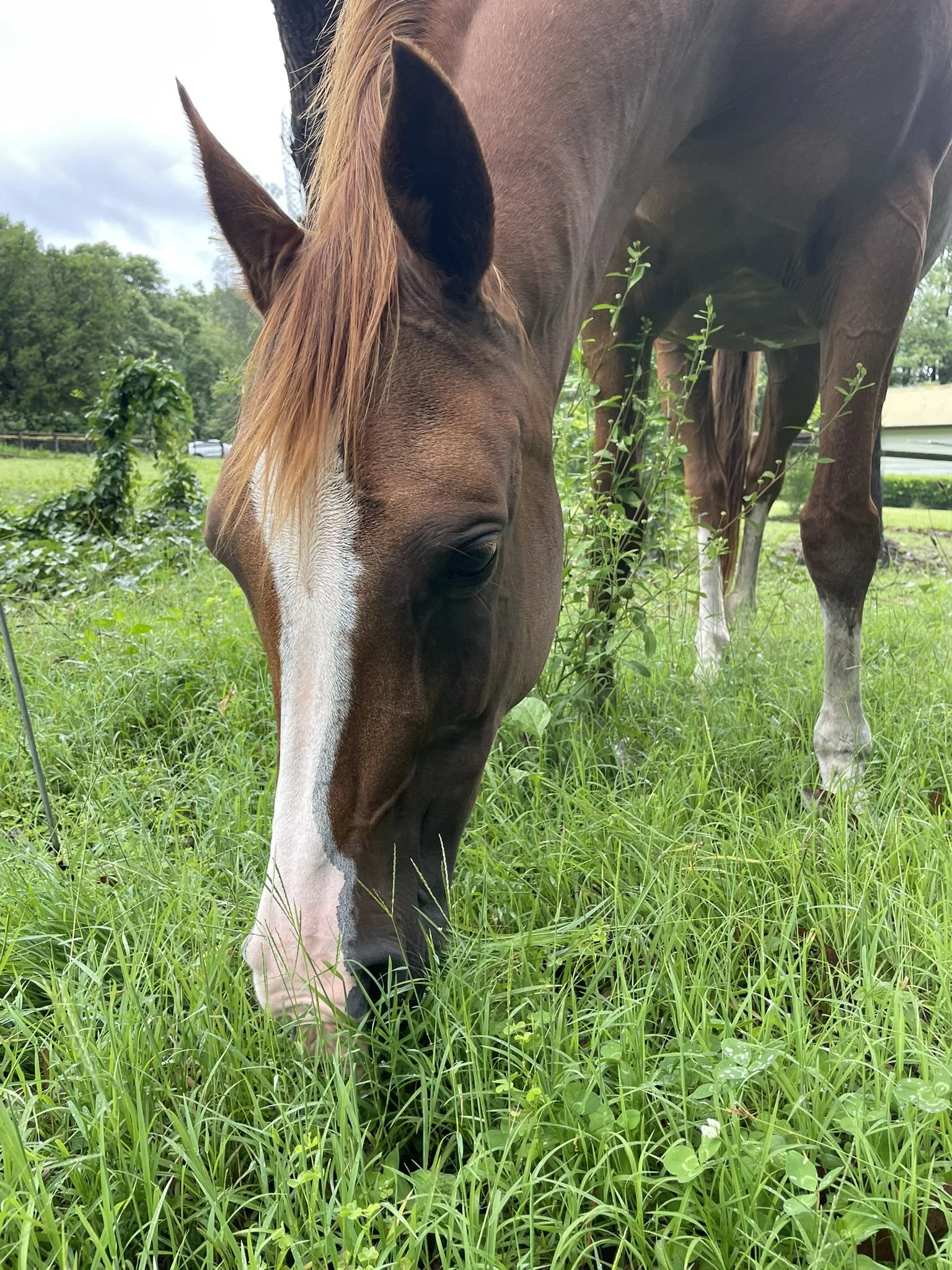
Spring Is Springing! What Does That Mean for Your Horse's Diet?
Across much of Australia, spring is well and truly beginning to make itself known.
Days are getting longer, temperatures are climbing and paddocks that looked decidedly ordinary through winter are beginning to change. In some areas there is already obvious new growth; in others, horses are busily seeking out tiny green shoots long before their paddocks look particularly green to us.
And that makes spring a very good time to review what our horses are actually eating.
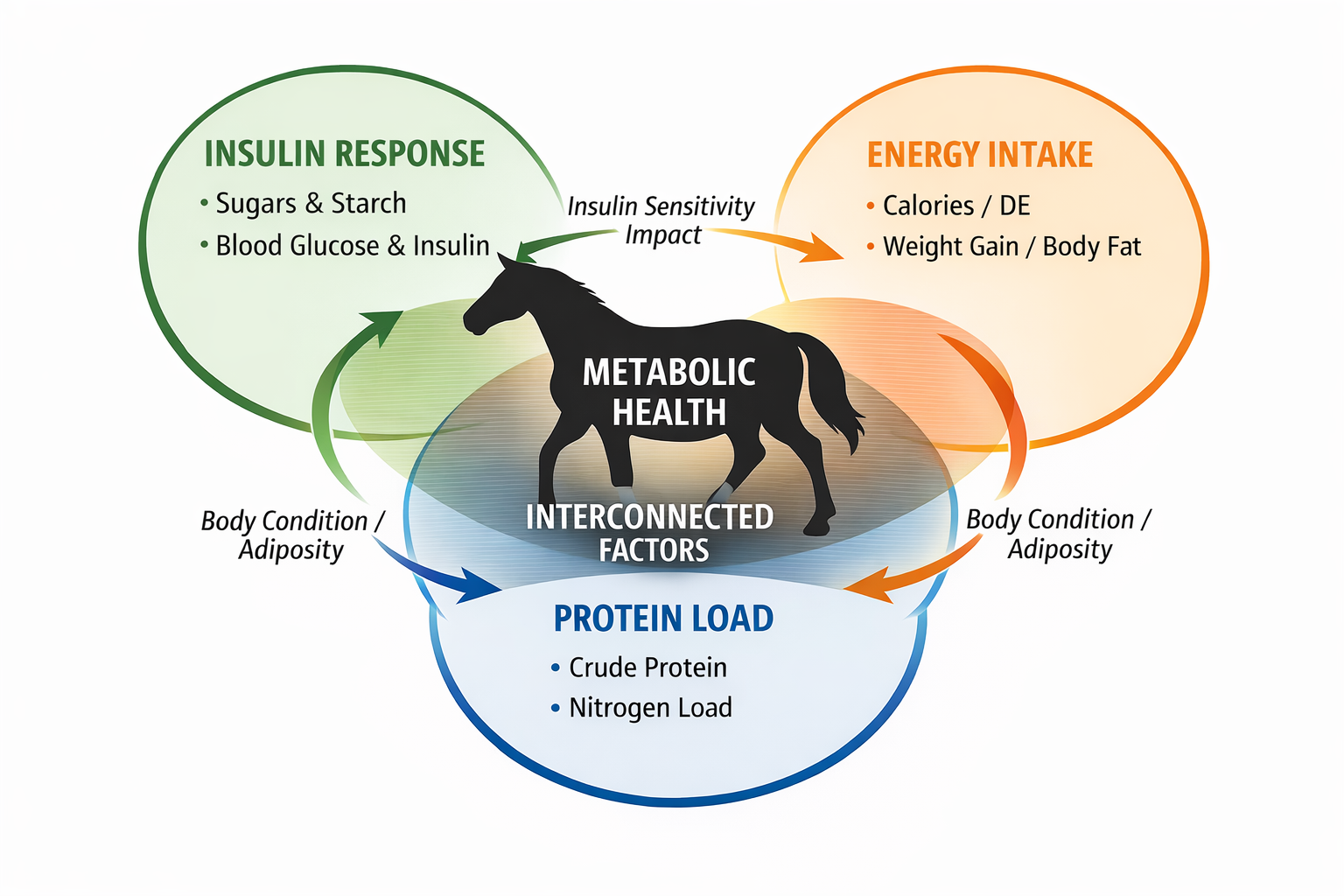
Spring pasture discussions often focus almost exclusively on “sugar” and laminitis. Those are certainly important considerations - particularly for horses with insulin dysregulation, equine metabolic syndrome (EMS), PPID or a history of laminitis - but spring pasture can influence far more than blood insulin.
Depending on where you live, the grasses and weeds present, recent weather and how your paddocks are managed, spring can bring changes in:
energy intake
non-structural carbohydrates (NSC)
protein
mineral balance
oxalate exposure
nitrate exposure
endophyte-associated mycotoxin exposure
and, quite simply, how much feed your horse is obtaining from the paddock
So while the feed bucket may look exactly the same as it did in July, the diet may no longer be the same at all.
The paddock is part of the ration
This is perhaps the most important point.
Pasture isn't simply somewhere the horse lives between feeds. It is feed.
For a horse with substantial pasture access, it may actually provide the majority of the diet. And unlike the feed that comes out of a bag, its nutritional composition and availability can change remarkably quickly.
A paddock can also be deceptive.
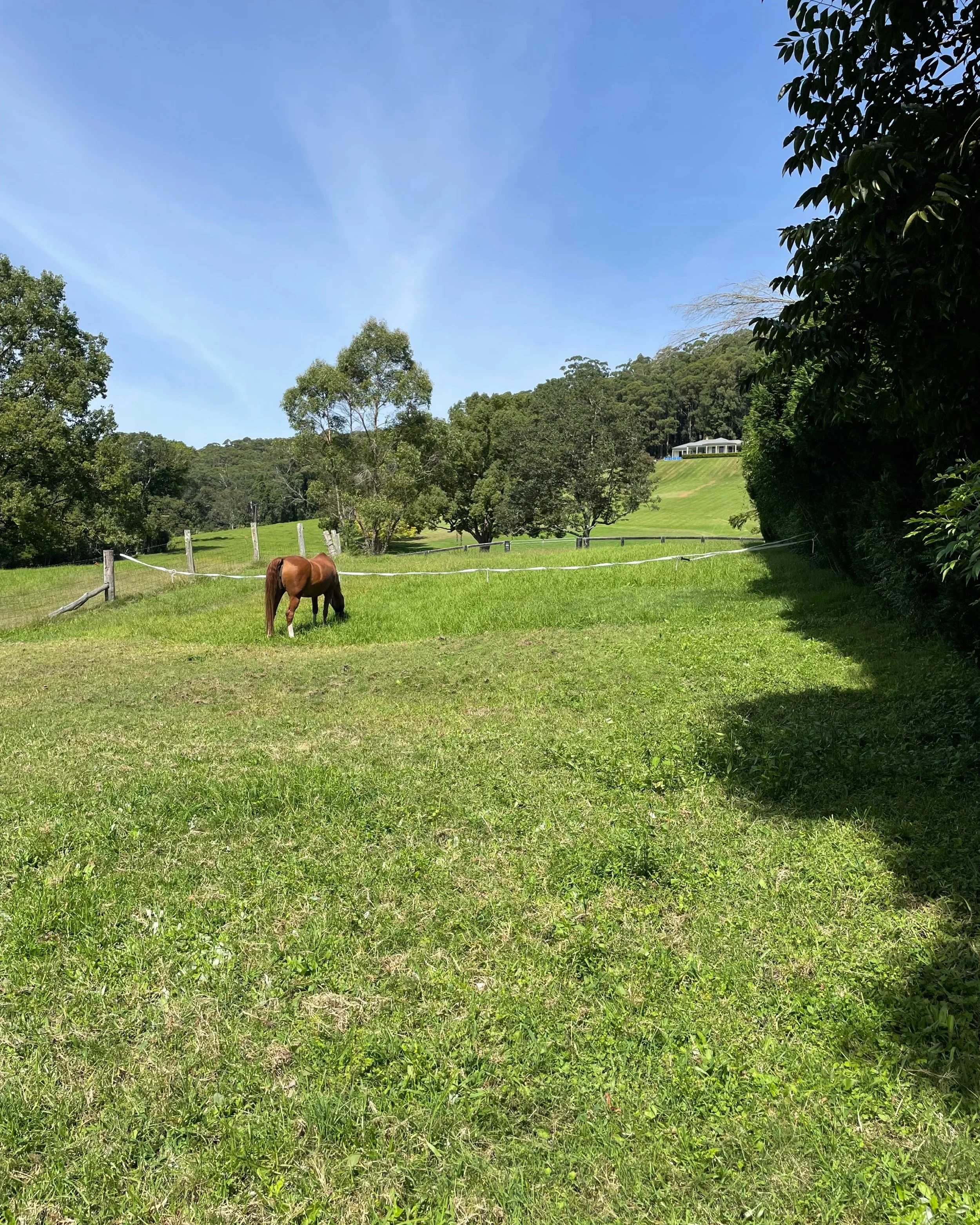
Short grass does not necessarily mean a horse isn't consuming much pasture. Horses are extraordinarily effective at selectively grazing young shoots, and a paddock may remain visually short because that new growth is being eaten almost as quickly as it appears.
Likewise, a horse maintaining or gaining weight while receiving relatively little supplementary feed is giving us some useful information: energy is coming from somewhere.
As spring progresses, that “somewhere” is very often the paddock.
Spring grass and NSC: it's more complicated than “green grass = sugar”
Non-structural carbohydrates include sugars, starch and fructans. Their concentration in pasture is influenced by plant species, maturity, sunlight, temperature, water availability, grazing pressure and environmental stress.
Plants manufacture carbohydrates through photosynthesis during daylight. Those carbohydrates can then be used for growth or stored within the plant.
This is why weather matters.
Bright sunny conditions encourage photosynthesis, while conditions that restrict growth can allow carbohydrates to accumulate. Research on temperate grasses has found that water-soluble carbohydrates tend to increase under cooler conditions and often rise from morning towards evening, although the magnitude is highly variable. Pasture stressed by cold, drought or nutrient limitation can contain considerably more NSC than rapidly growing, adequately watered pasture.
So the commonly repeated idea that spring grass is simply “high sugar because it is growing” misses an important part of the picture.
Growth uses carbohydrates.
The potentially tricky conditions can occur when photosynthesis is producing carbohydrates but temperature, water or another factor is limiting how quickly the plant can use them.
Those bright spring days combined with cool nights are therefore worth paying attention to, particularly in temperate C3 pastures.
Why this matters for metabolic horses
For horses with insulin dysregulation, pasture can present a particular problem because the amount consumed and its carbohydrate concentration are both difficult to know.
Endocrinopathic laminitis is strongly associated with insulin dysregulation, and controlling dietary NSC is an important part of managing susceptible horses.
But that does not mean every healthy horse needs to be removed from spring pasture.
Risk depends on the horse, the pasture and the circumstances.
That distinction matters.
Spring pasture brings energy as well as NSC
This is the part that can get forgotten.
Your horse doesn't have to be insulin dysregulated for spring pasture to affect them.
If pasture quantity and quality increase, so does the amount of digestible energy available from it. A horse that required hay and a substantial hard feed through winter may require considerably less supplementary energy once pasture becomes productive.
Continue feeding the winter ration unchanged and two things owners may begin to notice are:
weight gain and changes in behaviour.
The weight gain is relatively easy to understand. The horse is simply consuming more energy than it is using.
Behaviour can be more complicated.
Every spring we hear about horses becoming “fresh”, “hot”, “spooky” or “silly”, and pasture sugar or fructans are often immediately blamed. But sometimes there is a much simpler factor to consider:
the horse's total energy intake has increased while its energy expenditure hasn't.
A horse that was maintaining weight through winter on hay, pasture and supplementary feed may suddenly be obtaining considerably more energy from the paddock. If the same hard feed and amount of hay continues to be added on top, the ration that previously matched the horse's requirements may now be supplying substantially more energy than it needs.
That doesn't mean every behavioural change in spring is caused by excess dietary energy. Longer daylight hours, temperature, reproductive activity, changes in workload, management, turnout and herd dynamics can all contribute. Pain or discomfort should never simply be dismissed as a feeding issue either.
But total energy intake is an important and sometimes underrated part of the investigation.
Before reaching for a calming supplement because your normally sensible horse has suddenly developed a spring in its step, take another look at the whole ration.
Has pasture growth increased?
Has the horse gained weight or developed a crest?
Are you still feeding the same amount of hay and hard feed as you were in winter?
Has workload remained the same - or perhaps decreased?
Sometimes the question isn't “What can I add to calm my horse down?”
It's: “Am I now feeding more energy than this horse actually needs?”
For easy keepers, increasing body condition also matters for another reason. Obesity and regional adiposity are associated with insulin dysregulation and an increased risk of endocrinopathic laminitis. So seemingly innocent spring weight gain deserves attention before it becomes a larger problem.
Australia doesn't have one type of spring
This becomes especially important when discussing Australian horses.
The pasture concerns of a horse in Tasmania, Victoria or the NSW Tablelands may be quite different from those of a horse grazing the NSW coast or southeast Queensland.
Different grasses dominate under different climatic conditions, and they bring different nutritional considerations with them.
Cooler regions and C3 grasses
Temperate or C3 grasses include species such as ryegrass, phalaris, cocksfoot and many winter-growing pasture grasses.
These grasses are well adapted to cooler growing conditions and can remain highly active through spring. Ryegrass in particular can contain substantial concentrations of water-soluble carbohydrates, including fructans.
That doesn't automatically make ryegrass “bad”. But for an insulin-dysregulated horse, or one with previous pasture-associated laminitis, a productive temperate pasture can represent a very different nutritional situation from a sparse winter paddock.
And NSC isn't the only consideration with ryegrass.
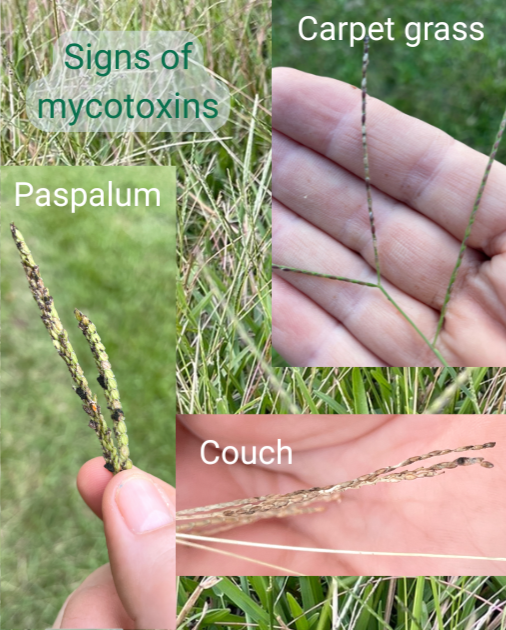
Ryegrass brings another consideration: endophyte toxins
Perennial ryegrass brings another consideration: some varieties harbour fungal endophytes capable of producing alkaloids such as lolitrem B and ergovaline. Risk varies with the cultivar, endophyte strain, season and growing conditions, and ryegrass staggers is more commonly associated with late spring through the warmer months. Lolitrems are concentrated particularly in the lower leaf sheath and seed heads, making heavily grazed ryegrass-dominant pasture potentially important because horses may graze down into those lower portions of the plant. This is another reason to know what species dominate the paddock rather than simply describing it as “grass”.
Spring weeds: what's growing between the grass?
Spring growth doesn't only affect desirable pasture species. Weeds can also proliferate, particularly in overgrazed or disturbed pasture, and which species matter depends on location.
In cooler temperate areas, capeweed can accumulate nitrates under certain environmental conditions. Across much of eastern Australia, fireweed is an important concern because its pyrrolizidine alkaloids can cause cumulative liver damage, with horses particularly susceptible. Flatweed or false dandelion is also associated with Australian pasture-associated stringhalt.
Horses may consume undesirable plants when preferred forage is limited, but some individuals also simply develop a taste for particular plants. Spring is therefore a useful time to walk the paddock and identify what is actually growing.
Warmer climates: C4 grasses and oxalates
Move into warmer regions - including southeast Queensland, northern NSW and much of coastal NSW - and another pasture consideration becomes increasingly important. Warm-season C4 grasses become more active as temperatures rise.
Depending on location these can include species such as kikuyu, setaria, buffel grass, green panic, pangola, para grass and signal grass. Some tropical and subtropical grasses can contain nutritionally significant concentrations of soluble oxalates.
Why do soluble oxalates matter?
Soluble oxalates can bind calcium within the gastrointestinal tract, forming insoluble calcium oxalate and reducing the amount of calcium available for absorption by the horse.
This means that simply looking at the total calcium concentration of a pasture does not necessarily tell us how much of that calcium is actually available to the horse.
Where high-oxalate grasses make up a substantial proportion of the diet over time, inadequate available calcium can lead to nutritional secondary hyperparathyroidism (NSH) - commonly known as Big Head disease.
The body needs to maintain blood calcium within a tightly controlled range. If insufficient calcium is being absorbed from the diet, calcium can progressively be mobilised from bone.
This isn't just a Northern Australia issue.
Kikuyu is extremely common throughout coastal NSW, including the Central Coast, and warmer spring conditions bring C4 grasses back into active growth.
Spring is therefore a good time to ask:
What grasses are actually in my horse's paddock, and does the diet provide sufficient available calcium for that pasture?
The answer isn't necessarily to simply add limestone to every horse's feed. The whole diet matters - pasture composition, forage intake, calcium, phosphorus and the amount of oxalate-containing grass being consumed all need consideration.
Even then, this cannot be calculated with complete precision. Oxalate concentrations within pasture vary with species, season, growth stage and environmental conditions, and the proportion of oxalate-containing grass actually eaten by an individual horse can also vary from day to day. So any calcium strategy is based on the best available information and an assessment of the overall diet, rather than an exact measurement of oxalate intake.
Pasture is dynamic and intake is selective, so not every part of a grazing horse’s diet can be calculated with absolute precision. Good nutrition therefore combines the best available data with knowledge of the horse, the pasture, the season and how both are changing over time.
Review the diet as the pasture changes
Spring can bring particularly noticeable changes in pasture growth, species activity and nutrient intake, but the same principle applies throughout the year: as the pasture changes, the rest of the diet may need to change with it.
A ration that worked well a few weeks or months ago may no longer be the best fit for the horse in front of you now.
Now is a useful time to reassess your horse's:
body weight and body condition
pasture availability and grazing time
dominant pasture species
weeds
hay quantity
hard-feed quantity
total energy intake
vitamin and mineral provision
calcium balance where high-oxalate grasses are important
NSC exposure where carbohydrate restriction is required
current workload.
One particularly common mistake is simply cutting down a fortified complete feed when spring pasture supplies more energy and the horse starts gaining weight.
That may reduce calories - but it also reduces the vitamins and minerals supplied by that feed.
Sometimes the better solution is to change the type of supplementary feed: provide less additional energy while continuing to supply the micronutrients the overall diet requires.
Depending on the horse and forage, that may mean moving from a larger quantity of a fortified feed to a lower-intake balancer or simple vitamin and mineral supplement.
This is why reviewing the whole diet matters more than simply reducing the size of the bucket.
The horse still needs forage
Reducing unnecessary calories doesn't mean simply depriving the horse of forage. Horses still require adequate forage for gastrointestinal health and normal feeding behaviour.
For overweight or metabolically susceptible horses, pasture intake may need to be managed using strategies such as restricted grazing, grazing muzzles, track systems or dry lots with measured suitable forage.
Forage restriction and forage deprivation are not the same thing.
Spring doesn't need to be frightening
Spring pasture is not inherently dangerous. For many horses, good pasture is an excellent source of nutrition and an important part of a healthy management system.
The problem comes when we treat pasture as a nutritional constant.
It isn't.
Its availability and composition change with species, season, weather and management - and so does what the horse actually consumes.
So, as spring starts to spring across Australia, take a walk through the paddock.
Look at what is growing, not simply that the paddock is green.
Then look at your horse and the rest of the diet.
Does the diet you're feeding today still make sense for the pasture your horse is eating today?
Spring changes the paddock. The diet may need to change with it.