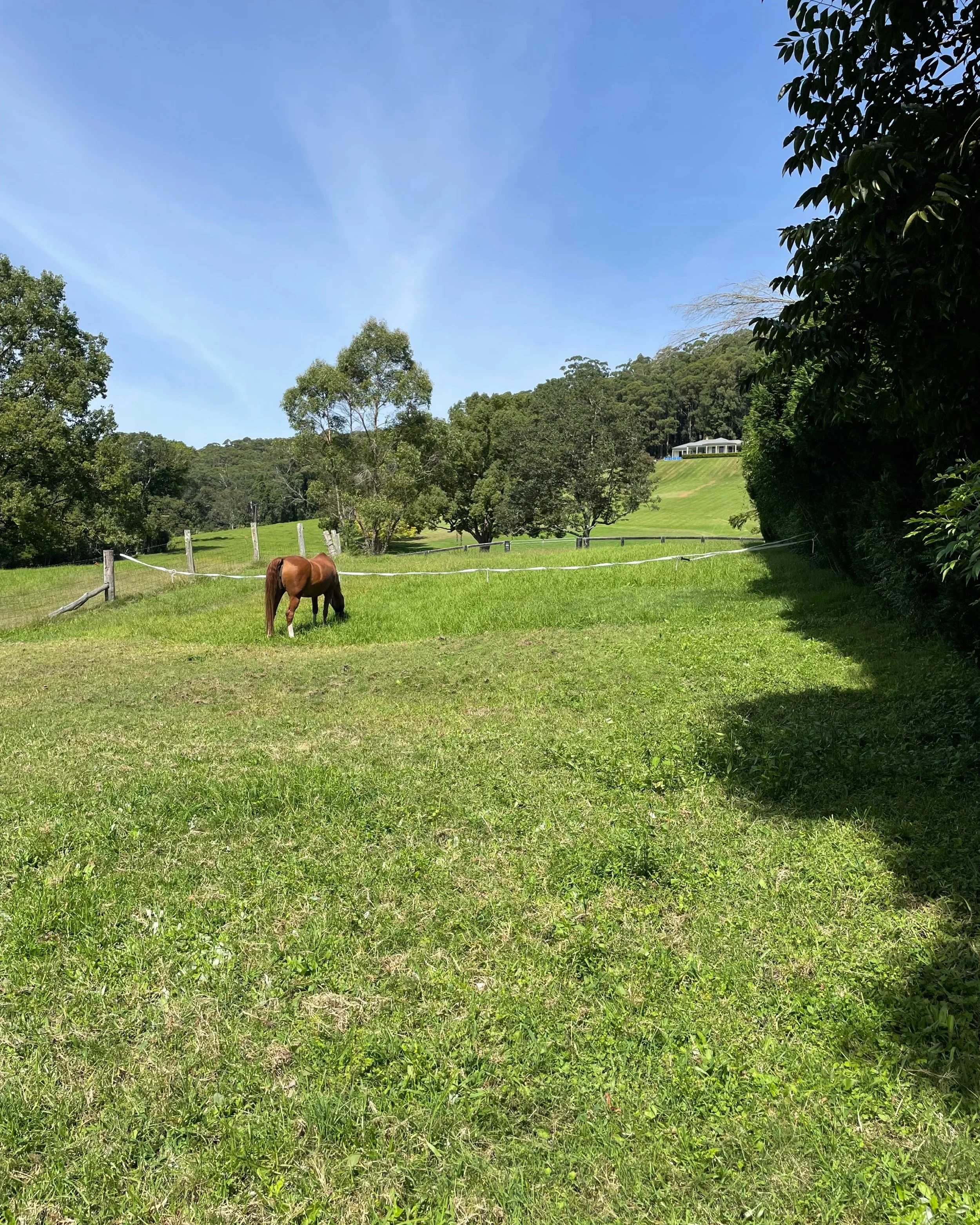
Change of Season = Change of Nutrition
As we move through autumn and head closer to winter, many horse owners notice changes in their horses.
Some horses gain weight more easily.
Some lose condition.
Some become footy.
Some seem more reactive, uncomfortable or unsettled.
Often, one of the biggest reasons is sitting right under their feet - pasture.
Pasture is not a static feed source. It changes with the season, rainfall, temperature, sunlight, growth stage, grass species and grazing pressure. Even the time of day can matter, as sugar and starch levels in grass can rise and fall across the day. That means your horse’s diet can change significantly, even when nothing has changed in the feed bin.
Across Australia, autumn and winter can bring very different pasture conditions depending on where you live, but the same principle applies everywhere: when the season changes, your horse’s nutrition may need to change too.
Pasture Changes Through Autumn
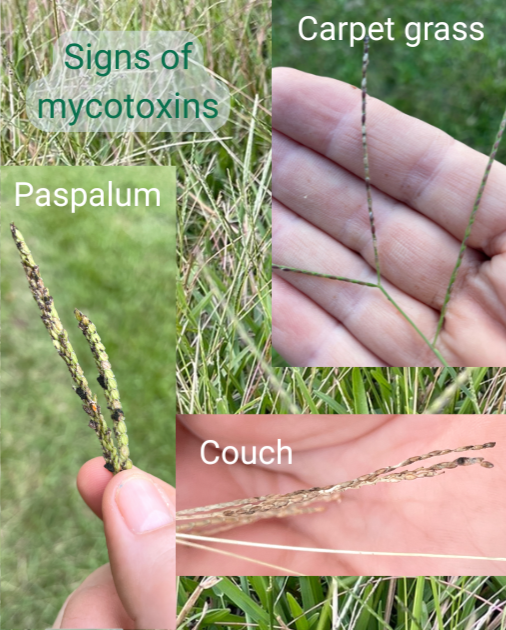
Along the coastal belt of NSW, many paddocks are dominated by warm season grasses such as kikuyu, couch, paspalum, carpet grass, along with other C4-type grasses.
As temperatures cool, these grasses begin to slow down and move towards their dormant winter phase. Many are also reaching the end of their seed head stage if they have not been grazed or managed earlier in the season.
This matters because the nutrient profile of pasture changes as plants mature and growth slows. Digestibility, protein, mineral content and energy availability can all shift. Horses that maintained well on pasture in summer may need extra support as grass quality declines.
In southern parts of Australia, especially areas that have had rain after a long dry summer, autumn can bring a flush of bright green cool season grasses such as perennial ryegrass and other temperate species.
That new growth may look beautiful, but it can also be nutritionally very different from the dry, often sparse pasture many horses have been grazing through summer. For horses prone to weight gain, insulin dysregulation, laminitis or foot sensitivity, this autumn flush can be a higher-risk period.
The Autumn Break Is Not Always “Safe Grass”
Many owners feel relieved when rain finally arrives after a dry summer. Paddocks green up, the dust settles and horses have more to pick at.
But fresh pasture growth can be rich, rapidly changing and difficult to judge by appearance alone.
Depending on grass species, temperature, sunlight and growth conditions, autumn pasture can contain higher levels of soluble carbohydrates, including sugars and fructans. It may also be higher in protein and lower in fibre compared with dry, mature summer pasture.
This does not mean all autumn pasture is dangerous. It means it needs to be managed in context.
For some horses, fresh autumn growth may provide useful nutrition. For others, it may contribute to weight gain, hoof sensitivity, digestive upset, behaviour changes or increased laminitis risk.
When Hay Becomes a Bigger Part of the Diet
As pasture slows down, paddocks become wet or grazing becomes limited, many horses naturally shift to eating more hay.
That change alone can alter the whole diet.
Hay may be higher or lower in energy, protein, calcium, phosphorus, magnesium, trace minerals, sugars and starch compared with the pasture the horse was eating previously. Lucerne hay, teff hay, grassy hay, oaten hay and mixed pasture hay can all have very different nutritional profiles.
This is where many diets drift out of balance.
A horse may be receiving enough calories, but not enough quality protein. Or enough protein, but not enough copper, zinc or iodine. Some diets may provide plenty of calcium from lucerne, but not enough phosphorus to keep the ratio balanced. Others may be too high in sugar and starch for a horse that is already metabolically sensitive.
Seasonal diet reviews help adjust the diet based on current conditions rather than continuing with a ration that suited the horse three or six months ago.
“But I Haven’t Changed Anything”
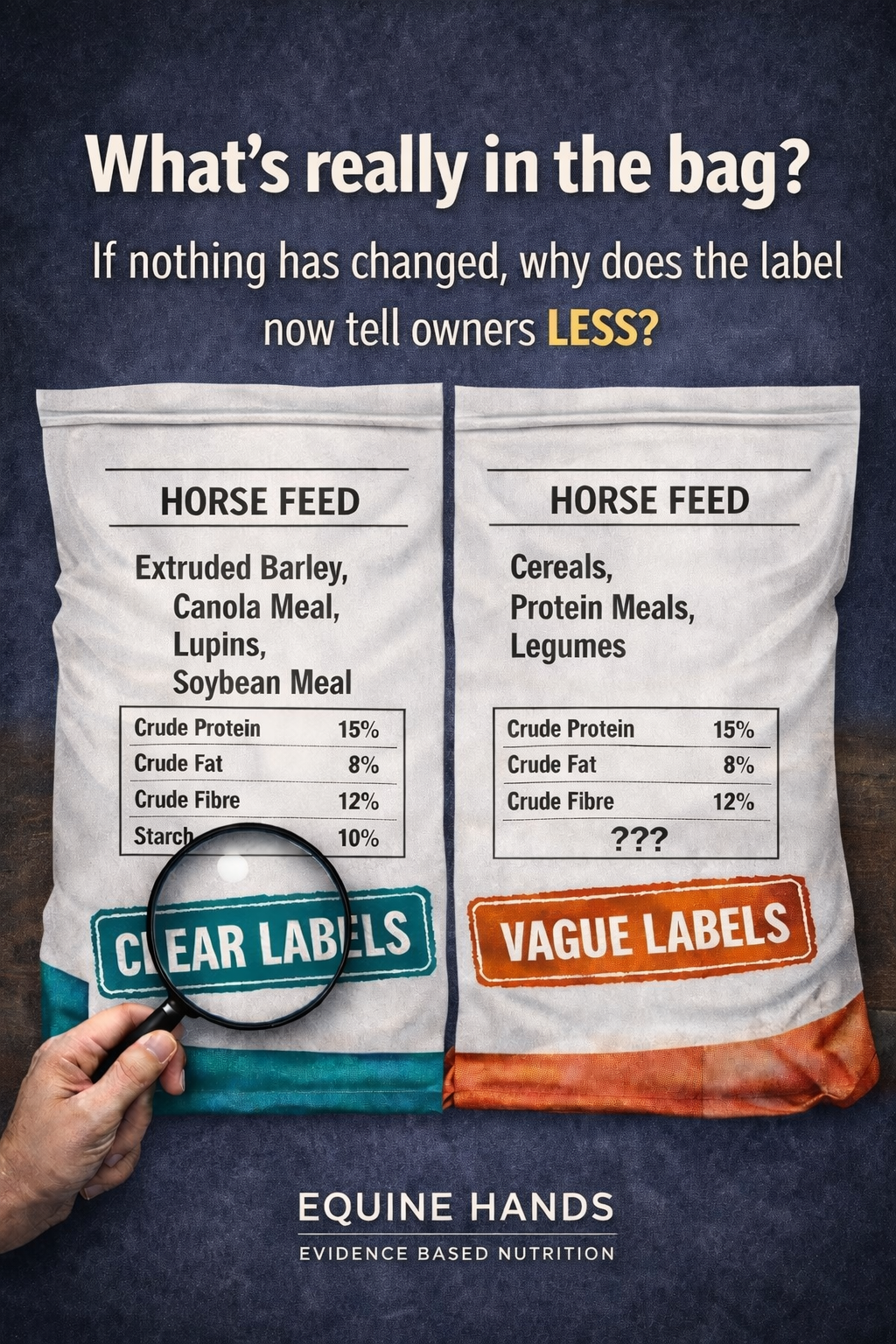
This is something I hear often, and it may be true - the feed bucket might not have changed.
But the overall diet may still have changed. Pasture growth, hay intake, weather, workload and the amount of grazing available can all shift with the season. So even when the feed bin looks the same, what the horse is actually eating and needing may be quite different.
Some horses become easier to keep through cooler months because they are moving less or accessing richer pasture growth. Others lose condition because pasture quality has declined, they are burning more energy staying warm, or they are not receiving enough digestible fibre and quality protein.
Seasonal nutrition is about noticing when your horse’s requirements have shifted and adjusting accordingly.
Horses That Need Extra Care
All horses are affected by seasonal changes, but some need closer management than others.
This is especially important for horses prone to laminitis, weight gain, insulin dysregulation, hoof sensitivity, gut sensitivity, poor topline or changes in condition. Older horses, young growing horses, broodmares, lactating mares and performance horses may also need closer attention when pasture and forage availability change.
For these horses, small changes in pasture or forage can have a bigger impact.
Nutrition Is Not Just About the Feed Bin
When I assess a horse’s diet, I do not just look at what is being fed in a bucket.
The bigger picture matters.
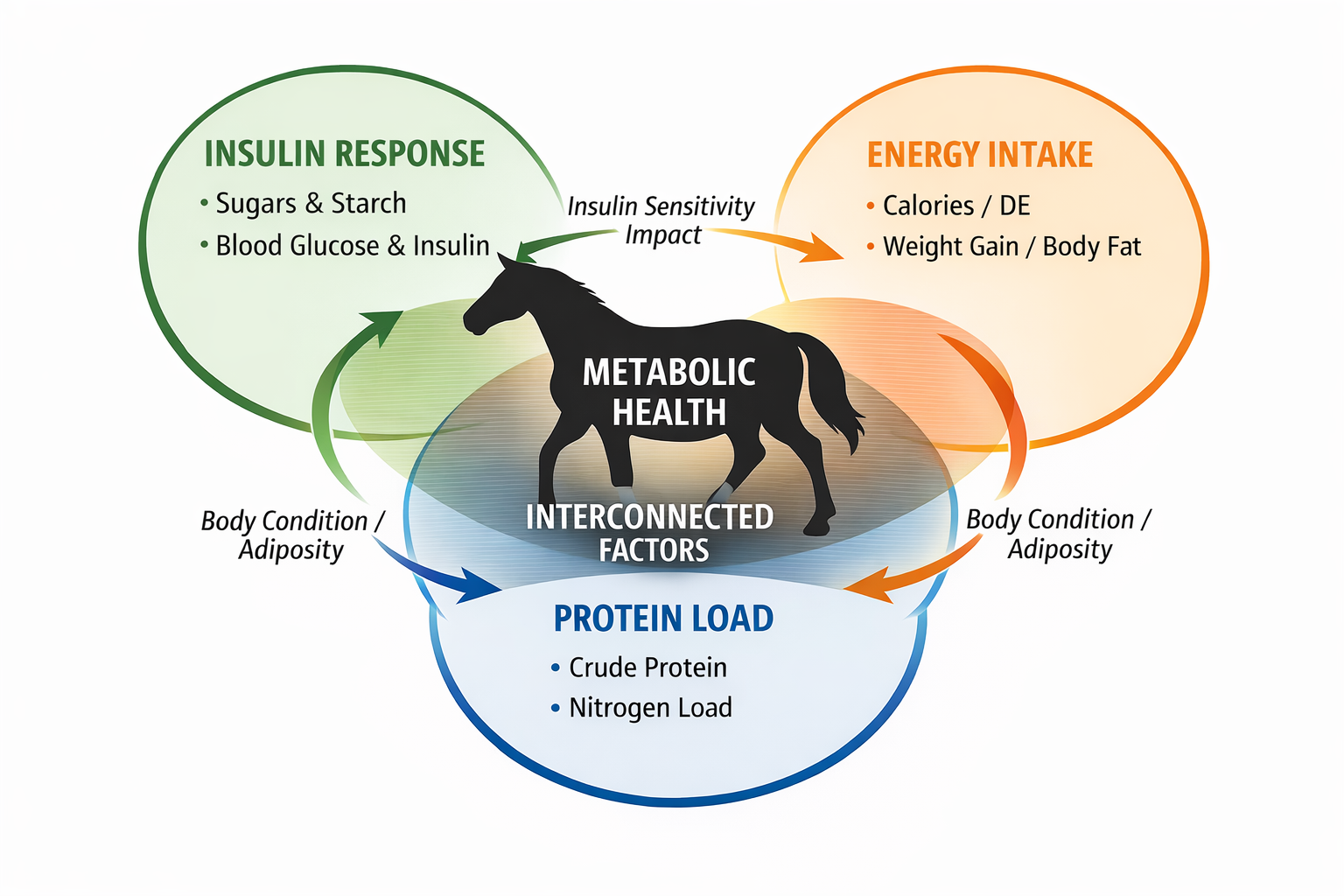
That includes pasture type, seasonal growth, hay, body condition, workload, age, hoof health, gut health, metabolic risk, topline, mineral balance, supplements and management practices.
This is especially important in Australia because pasture conditions vary so much between regions. A horse on coastal warm season grass in NSW is not facing the same nutritional situation as a horse on autumn ryegrass growth in Victoria, Tasmania or parts of South Australia.
There is no single seasonal feeding rule that applies to every horse. The goal is to understand what is changing and adjust the diet to suit the horse in front of you.
When Should You Review Your Horse’s Diet?
A seasonal diet review is useful when:
pasture growth changes noticeably
new green grass appears after rain
warm season grasses start slowing down
hay intake increases
you change hay type
your horse gains or loses weight
hoof sensitivity appears
behaviour changes
topline changes
workload changes
you are adding multiple supplements but are not sure what is needed
You do not need to wait until there is a major problem. Often, a simple review can identify gaps, excesses or imbalances early.
Practical Seasonal Feeding Support
Good nutrition is not about adding more products. It is about understanding what your horse is actually eating, what may have changed, and what needs adjusting.
As the season changes, a nutrition review can help identify whether the current diet still suits your horse’s pasture, forage intake, workload, body condition and health needs.
Sometimes only small adjustments are needed. Other times, the diet may need a more structured rethink - especially for horses prone to weight gain, laminitis, gut sensitivity, poor topline or changes in condition.
If you are unsure whether your horse’s diet still suits the season, a nutrition consultation can help bring the whole picture together.
Because when the season changes, your horse’s nutrition often changes with it - even if the feed bin stays exactly the same.